
Premium Medical-Grade Silicone Tube Solutions for Equatorial Guinea

Engineering high-performance silicone extrusion components tailored for the unique industrial and climatic demands of the Gulf of Guinea region.

Industrial Silicone Landscape in Equatorial Guinea

Analyzing the challenges of high-humidity environments on rubber elasticity and purity.

In Equatorial Guinea, the rubber and plastics industry faces extreme challenges due to the tropical rainforest climate. High humidity and constant temperature fluctuations accelerate the degradation of standard polymers, making the demand for high-stability Extruded Silicone Tube critical for infrastructure and machinery maintenance.

The local market is currently transitioning from general-purpose rubber to specialized silicone. With the growth of urban centers like Malabo and Bata, there is a rising requirement for Silicone Door Strip products that can provide superior sealing against moisture and salt-air corrosion typical of coastal regions.

Furthermore, the healthcare and food processing sectors are under pressure to upgrade their hygiene standards. This has led to a surge in the import of Food-Grade Silicone Tube and medical components to replace outdated, porous PVC materials that are prone to bacterial colonization in hot climates.
Evolution and Trajectory of Silicone Manufacturing

From primitive rubber molding to precision silicone extrusion technology.

Market Development History

Prior to 2010, the region relied heavily on basic natural rubber products. These materials lacked thermal stability and chemical resistance, leading to frequent replacements in industrial settings.

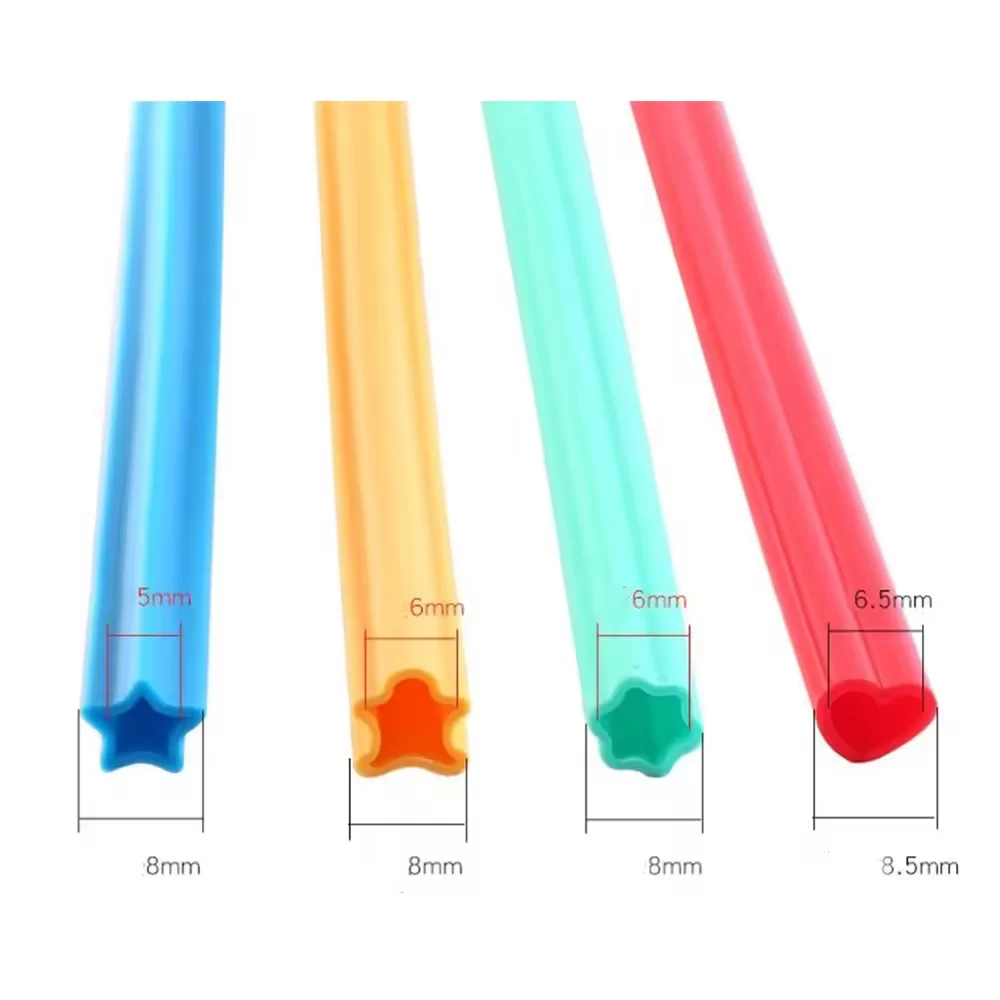
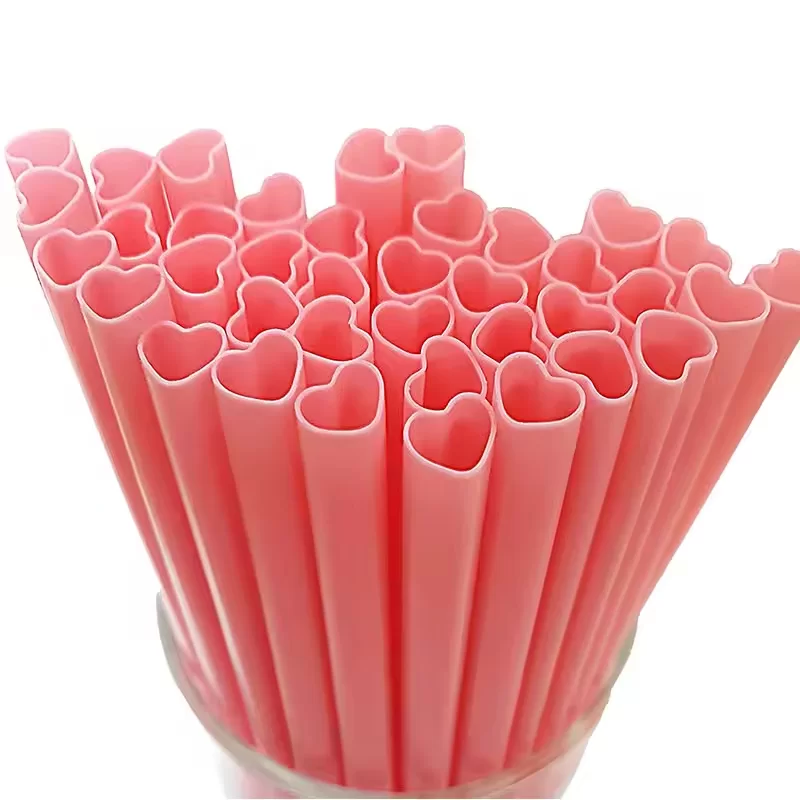
Between 2010 and 2020, the introduction of basic silicone compounds began. This era saw the first adoption of Silicone Straw products and simple gaskets, marking a shift toward biocompatible and heat-resistant materials.

From 2020 to the present, the focus has shifted toward precision engineering. The adoption of medical-grade standards has become mandatory for healthcare upgrades, requiring strict adherence to international purity certifications.

Future Development Trends

Smart Material Integration

Expect a move toward "intelligent" silicone that can indicate wear or contamination through color-changing additives, specifically for critical medical tubing.

Eco-Friendly Polymer Cycles

A shift toward 100% recyclable silicone compounds to align with global sustainability goals and reduce plastic waste in the Gulf of Guinea.

Hyper-Precision Extrusion

Increasing demand for tighter tolerances in extrusion to fit the next generation of automated medical and food processing machinery.

Industry Trends and Future Outlook

Projecting the growth of high-performance elastomers in Central Africa.

Biocompatibility Standard
Rapid adoption of ISO 10993 standards for all silicone components used in clinical environments.
UV Resistance Enhancement
Developing advanced UV-stabilized compounds to prevent yellowing and cracking under intense equatorial sun.
Automated Quality Control
Implementing laser-based diameter monitoring for 100% consistency in extruded profiles.
Custom Geometry Shift
Moving from standard tubing to complex co-extruded profiles for specialized industrial sealing.

Industry Outlook

Based on Google search trends for "high-temperature rubber" and "medical grade tubing" in Central Africa, we project a 12% annual growth in the demand for high-purity silicones over the next 3-5 years.

This growth is driven by the modernization of the energy sector and the expansion of private healthcare facilities in Equatorial Guinea, moving away from generic rubber toward certified silicone solutions.

Localized Application Scenarios in Equatorial Guinea

Practical implementations of silicone technology in regional industries.

1. Coastal Infrastructure Sealing

Utilizing Silicone Door Strip in port facilities and coastal warehouses to prevent humid salt-air infiltration and protect stored machinery from corrosion.

2. Clinical Fluid Management

Implementing Medical-Grade Silicone Tube in Malabo's healthcare centers for patient IV lines and drainage systems, ensuring non-reactive fluid transfer.

3. Beverage Production Hygiene

Using Food-Grade Silicone Tube in local fruit processing plants to ensure contaminant-free transport of liquids under high-temperature sterilization.

4. Sustainable Hospitality Ware

Deploying reusable Silicone Straw options in luxury resorts to replace single-use plastics and align with environmental protection laws.

5. Industrial Engine Cooling

Applying heavy-duty Extruded Silicone Tube in heavy machinery and generators that operate in high-ambient heat conditions, preventing tube collapse.

Brand Story

Global Development Journey of Shenzhen Guangyu Feng Rubber Products Co., Ltd.

Founding Precision

Established with a vision to eliminate material failure in industrial rubber, focusing on the purity of silicone polymers.

Certification Milestone

Achieved international FDA and LFGB certifications, allowing us to penetrate the global food and medical grade markets.

Extrusion Innovation

Developed a proprietary extrusion process that reduces wall-thickness variance to under 0.02mm for critical medical applications.

African Market Expansion

Launched strategic logistics hubs to provide rapid delivery of high-performance silicone to Equatorial Guinea and neighboring regions.

Sustainable Future

Investing in bio-silicone research to provide the next generation of eco-friendly industrial seals and tubes globally.

Comprehensive Silicone Product Portfolio for Equatorial Guinea

One-stop sourcing for high-stability rubber extrusion components.

Common Questions in Equatorial Guinea Market

Technical guidance on silicone selection and maintenance.

How does high humidity in Malabo affect the lifespan of an Extruded Silicone Tube?

Unlike natural rubber, our silicone tubes are hydrophobic and chemically inert, meaning they do not absorb moisture or degrade in high humidity, significantly extending their service life compared to EPDM or PVC.

Is your Food-Grade Silicone Tube compliant with international safety standards?

Yes, all our food-grade products meet FDA and LFGB standards, ensuring they are non-toxic and safe for direct contact with food and beverages in all temperature ranges.

What makes Medical-Grade Silicone Tube safer for clinical use in hospitals?

It is hypoallergenic and biocompatible, reducing the risk of patient inflammation and preventing the leaching of plasticizers into the bloodstream.

Can a Silicone Door Strip withstand the intense UV radiation in Equatorial Guinea?

Our silicone strips are formulated with UV-stabilizers that prevent the material from becoming brittle or cracking under direct solar exposure, maintaining a perfect seal for years.

Are Silicone Straw products heat-resistant for sterilization?

Yes, they can withstand temperatures up to 230°C, making them ideal for boiling water sterilization or autoclave processes without losing their shape.

Do you provide custom diameters for industrial silicone extrusion?

Absolutely. We offer full customization of inner diameter (ID) and outer diameter (OD) to ensure a precision fit for your specific industrial machinery.

Consult Our Silicone Experts

Ready to upgrade your industrial components in Equatorial Guinea? Contact us for technical specifications and bulk pricing.

Contact Us Now