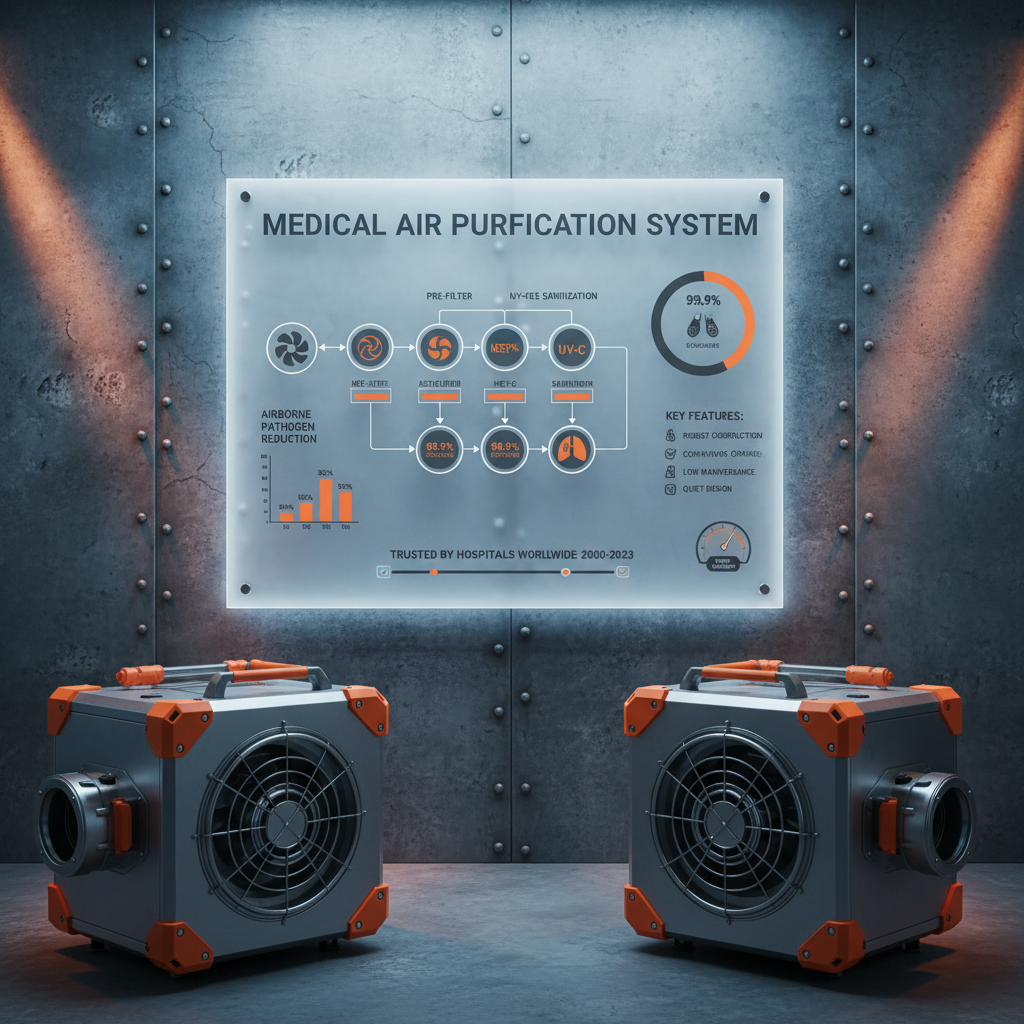
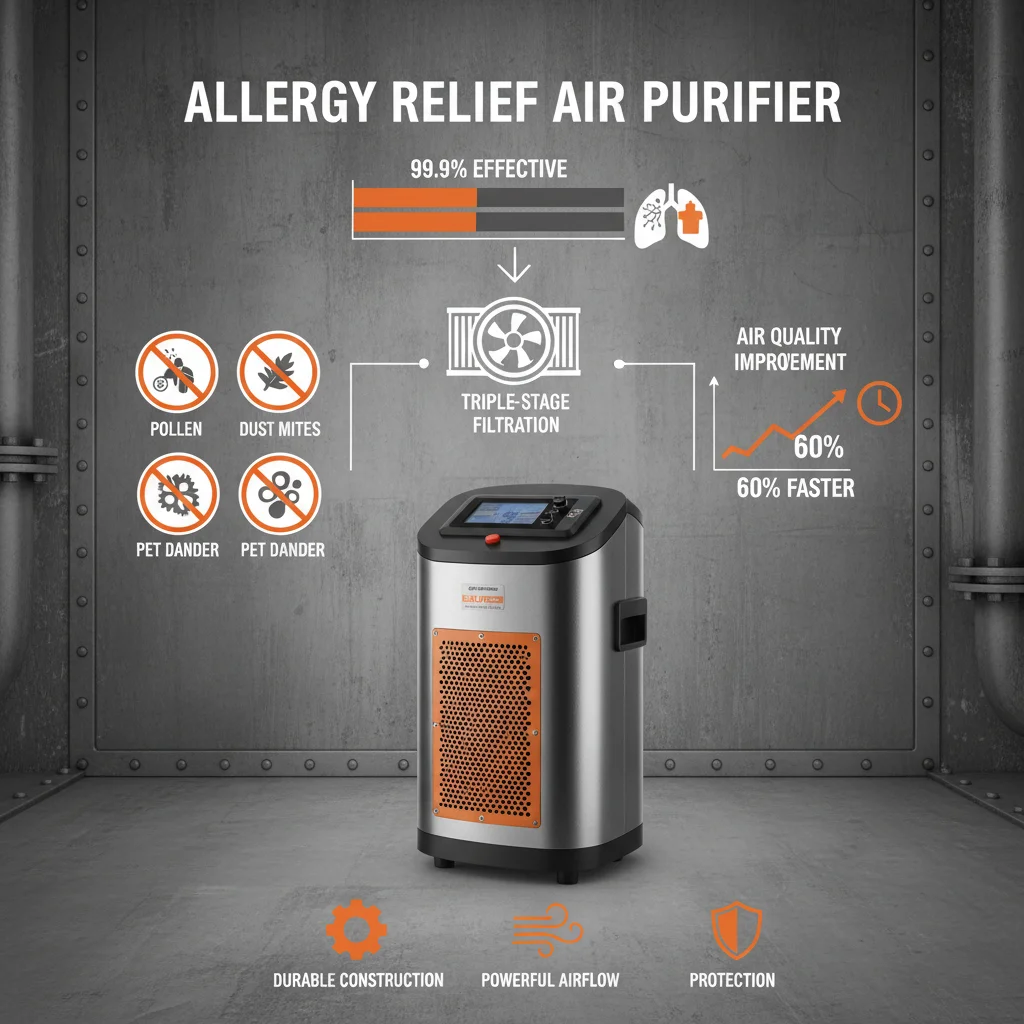
Medical air cleaners are becoming increasingly vital in maintaining safe and healthy environments, particularly within healthcare settings. These specialized filtration systems remove airborne contaminants like bacteria, viruses, dust, and volatile organic compounds (VOCs) to protect patients, medical staff, and visitors. The demand for effective medical air cleaner solutions is growing globally, spurred by increased awareness of indoor air quality and the need to mitigate healthcare-associated infections.
The significance of medical air cleaners extends beyond hospitals and clinics. They play a crucial role in pharmaceutical manufacturing, laboratories, and even dental offices where maintaining sterility is paramount. Regulatory bodies worldwide, such as the ISO, increasingly emphasize air quality standards, driving innovation and adoption of advanced filtration technologies. Investing in proper air purification isn't merely a preventative measure; it's a cornerstone of responsible healthcare and operational efficiency.
Understanding the nuances of medical air cleaner technology—from filtration methods to system design—is essential for making informed decisions. A well-chosen system can significantly reduce the spread of infectious diseases, improve patient outcomes, and create a safer working environment for healthcare professionals. This knowledge empowers facilities to optimize their air purification strategies and contribute to a healthier world.
Introduction to Medical Air Cleaners
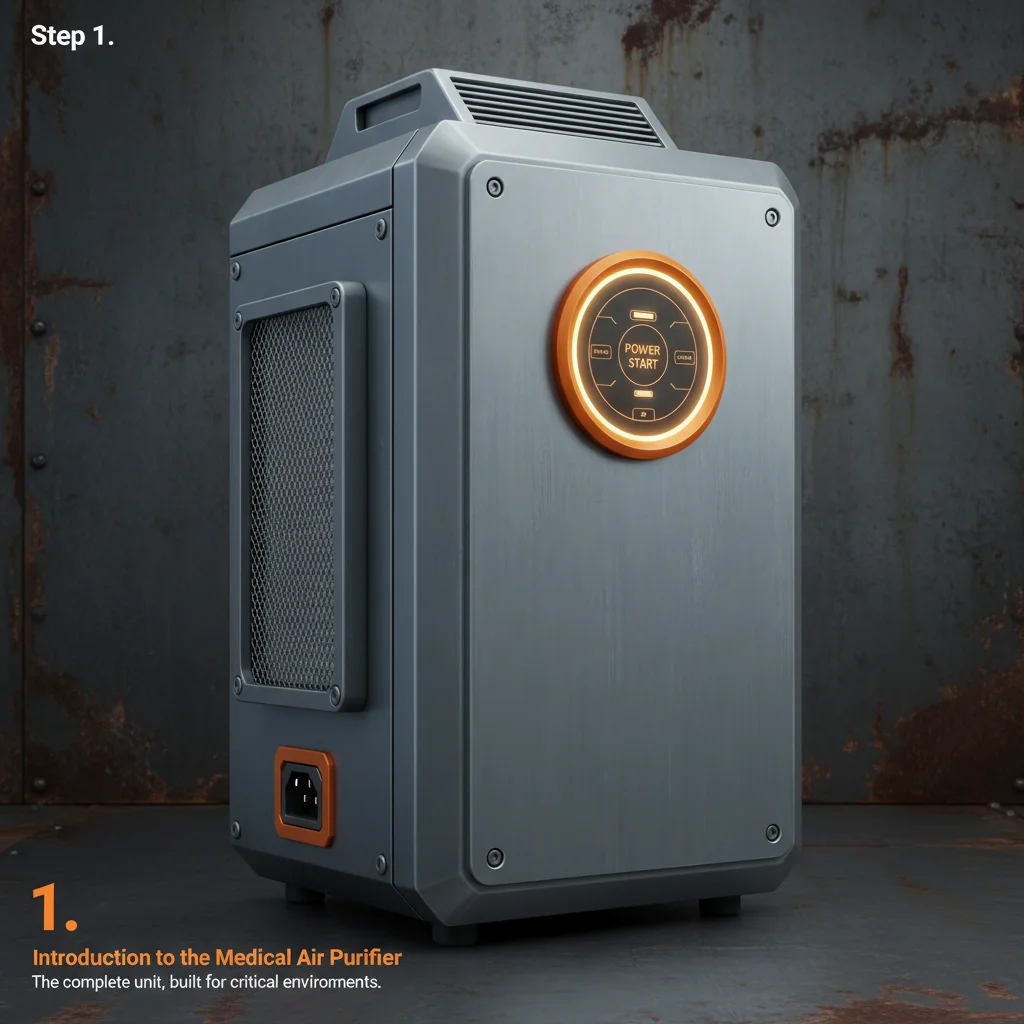
Medical air cleaners represent a critical line of defense against airborne pathogens and pollutants in healthcare facilities. These systems aren't merely air filters; they're engineered to meet stringent performance standards, removing particles as small as 0.3 microns with high efficiency. The implementation of a proper medical air cleaner system can drastically reduce the risk of hospital-acquired infections, enhancing patient safety and overall facility hygiene.
The increasing complexity of modern healthcare demands increasingly sophisticated air purification solutions. Factors such as the emergence of drug-resistant bacteria, the rise in immunocompromised patients, and the global spread of infectious diseases all contribute to the growing need for advanced medical air cleaning technology. Selecting the right system requires a comprehensive understanding of filtration technologies, airflow dynamics, and specific facility requirements.
Defining Medical Air Cleaner Technology
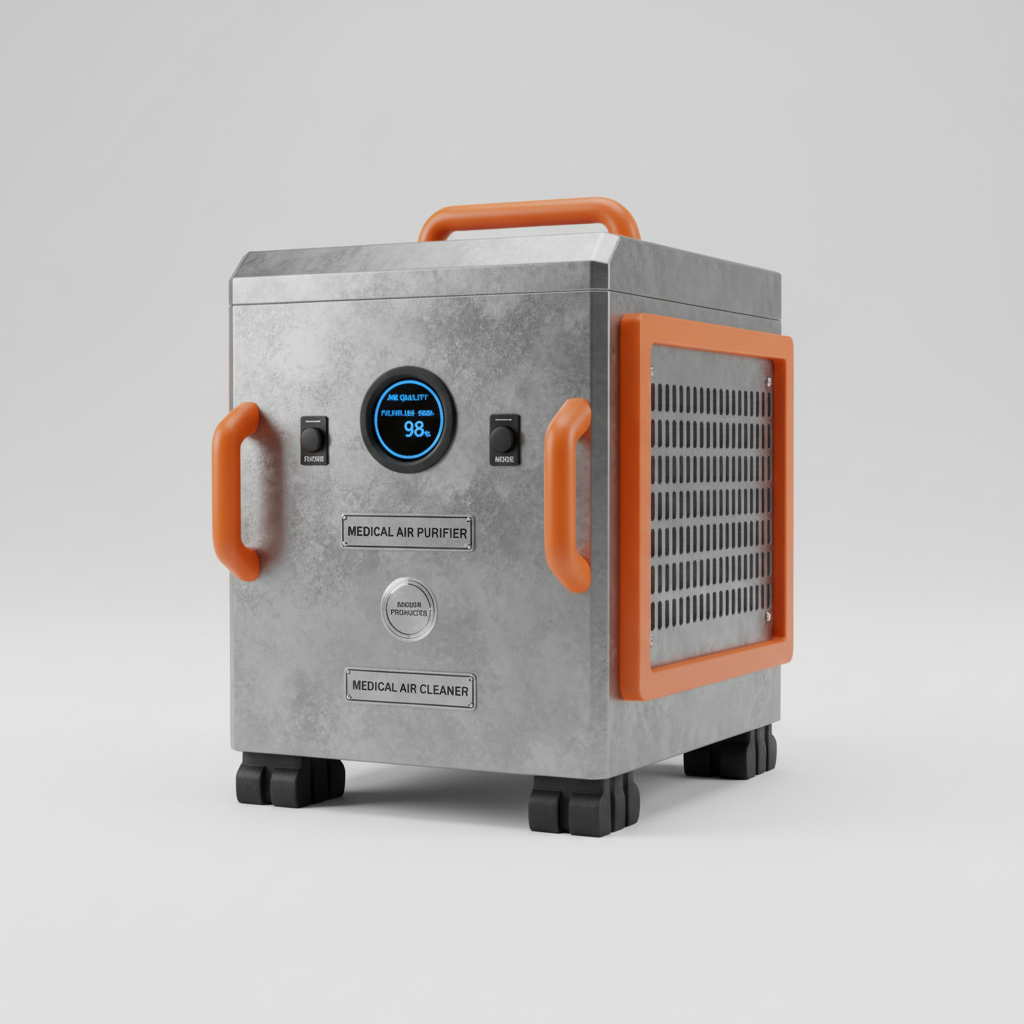
A medical air cleaner is a device specifically designed to remove airborne contaminants from healthcare environments. Unlike standard air purifiers, medical-grade systems are rigorously tested and certified to meet stringent standards for particle removal efficiency and air exchange rates. They typically employ high-efficiency particulate air (HEPA) filters, which are capable of capturing 99.97% of particles 0.3 microns in diameter.
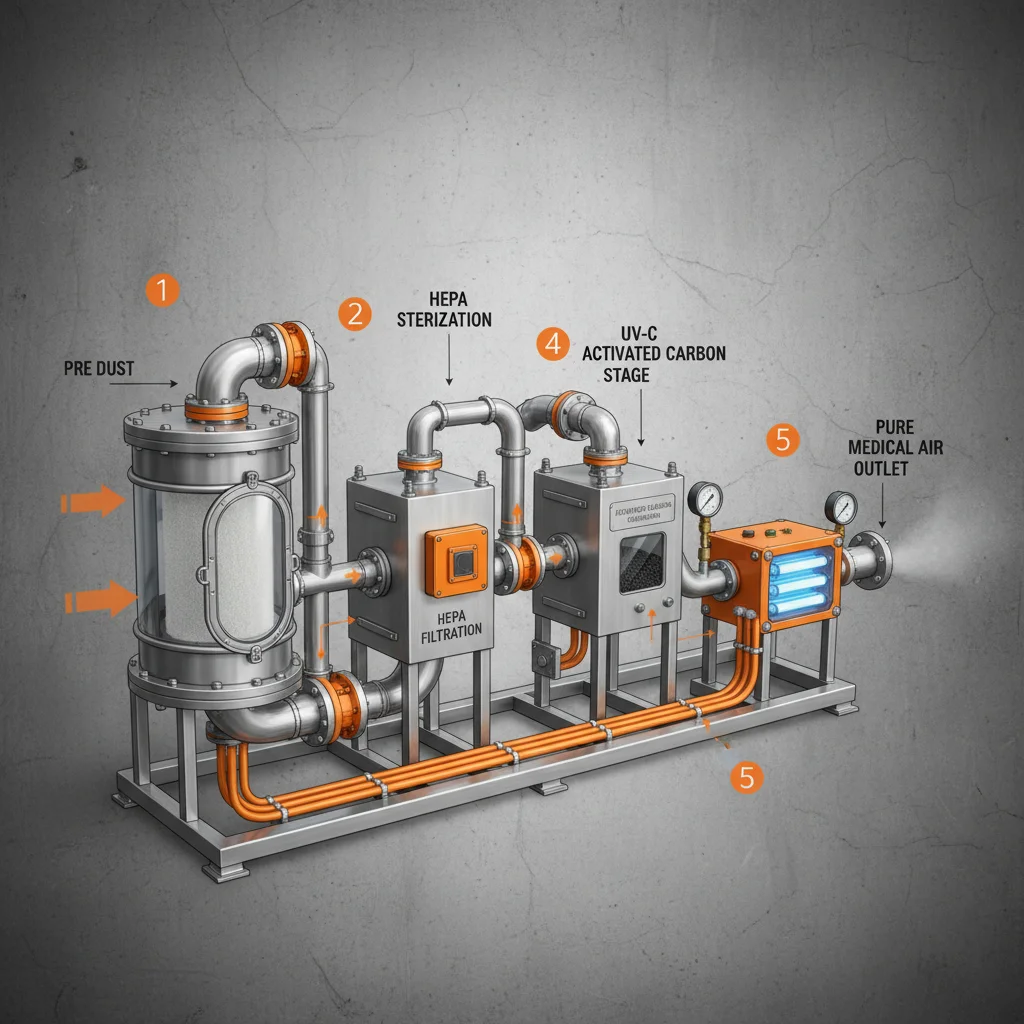
The core function of a medical air cleaner is to create a consistently clean and sterile air supply. This is achieved through a combination of filtration, airflow management, and often, UV-C sterilization technology. These systems are essential for protecting sensitive environments, such as operating rooms, isolation wards, and laboratory spaces, where maintaining air quality is critical for patient and staff safety.
The connection to modern industry and humanitarian needs stems from the increasing demand for infection control in healthcare and the ability to deploy effective air purification in resource-limited settings. Portable and rapidly deployable medical air cleaner units are proving invaluable in disaster relief scenarios and temporary healthcare facilities, ensuring a safe environment even under challenging circumstances.
Core Components of Effective Medical Air Cleaners
Effective medical air cleaners rely on several key components working in harmony. First, the pre-filter removes larger particles like dust and pollen, extending the life of the more expensive HEPA filter. Next, the HEPA filter captures the vast majority of airborne microorganisms, including bacteria, viruses, and fungi. Finally, some systems incorporate activated carbon filters to absorb odors and volatile organic compounds (VOCs).
Airflow design is equally crucial. A well-designed system ensures optimal air circulation throughout the room, maximizing the effectiveness of the filtration process. Air changes per hour (ACH) is a key metric, indicating how many times the air in a room is completely replaced with filtered air. Medical facilities typically require a higher ACH rate than general commercial spaces.
Furthermore, the unit’s construction materials play a role. Medical air cleaners designed for sterile environments often utilize antimicrobial surfaces to prevent the growth of bacteria on the unit itself. Smart features, like air quality sensors and remote monitoring capabilities, are also becoming increasingly common, allowing for proactive maintenance and optimized performance.
Key Performance Indicators and Analysis
Analyzing the performance of a medical air cleaner requires evaluating several key performance indicators (KPIs). HEPA filter efficiency, measured in terms of particle removal rates, is paramount. Air Changes per Hour (ACH) determines the speed at which the air is filtered. These metrics combined determine the overall effectiveness of the medical air cleaner.
Additional KPIs include noise levels, energy consumption, and maintenance requirements. A system that operates quietly and efficiently while requiring minimal upkeep is highly desirable. Regular filter replacement is crucial, and tracking filter lifespan contributes to preventative maintenance schedules and optimal air quality control.
Medical Air Cleaner Performance Metrics
Global Applications and Deployment Scenarios
Medical air cleaners are indispensable in a wide range of settings across the globe. In post-disaster relief operations, they are crucial for establishing safe temporary healthcare facilities. In remote industrial zones with limited access to clean air, they protect workers from exposure to hazardous airborne particles. They are standard equipment in operating rooms, intensive care units, and isolation wards of hospitals worldwide.
Pharmaceutical manufacturing facilities rely on medical air cleaners to maintain sterile environments during drug production. Research laboratories employ them to prevent contamination of experiments. Even dental offices benefit from their ability to remove aerosols and airborne pathogens generated during procedures. The global market for medical air cleaners is experiencing significant growth, driven by increasing awareness of indoor air quality and the need for infection control.
Advantages and Long-Term Value Proposition
The advantages of investing in a quality medical air cleaner extend beyond immediate health benefits. Reduced healthcare-associated infections translate to lower treatment costs and improved patient outcomes. Enhanced air quality creates a safer and more comfortable work environment for healthcare professionals, leading to increased productivity and morale.
Long-term, these systems offer a substantial return on investment through preventative care, reduced sick leave, and enhanced operational efficiency. The psychological benefit of knowing that a facility prioritizes air quality also builds trust and confidence among patients and staff. It’s not just about filtering air; it’s about investing in a healthier future.
Furthermore, advances in energy-efficient designs contribute to sustainability goals and lower operating costs. Choosing a durable and reliable system minimizes the need for frequent replacements, adding to the long-term value proposition.
Future Trends and Innovations in Medical Air Cleaning
The future of medical air cleaning is poised for significant innovation. Expect to see the integration of advanced sensor technologies for real-time air quality monitoring and automated control. Nanomaterials are being explored for next-generation filters with even higher efficiency and longer lifespans. UV-C sterilization is becoming more prevalent, often combined with filtration for a synergistic effect.
Digital transformation will play a key role, with systems offering remote monitoring, predictive maintenance, and data analytics to optimize performance. Sustainability is another driving force, with a focus on energy-efficient designs and biodegradable filter materials. The development of portable and rapidly deployable units will continue to be a priority, ensuring access to clean air in emergency situations.
Policy changes and stricter regulations regarding indoor air quality will also accelerate the adoption of advanced medical air cleaning technologies. As the understanding of airborne disease transmission grows, expect further investment in research and development of innovative solutions.
FAQS
Medical air cleaners primarily utilize HEPA filters, which capture 99.97% of particles 0.3 microns in size. Activated carbon filters are often included to remove odors and VOCs. Pre-filters extend HEPA filter life by removing larger particles. Filter effectiveness depends on proper installation and maintenance, including regular replacement according to manufacturer guidelines. Choosing a system with a certified HEPA filter is crucial for optimal performance.
Filter replacement frequency depends on usage and air quality. Pre-filters should be checked monthly and replaced as needed. HEPA and carbon filters typically require replacement every 6-12 months, but this can vary. Some systems have indicators that alert you when filter replacement is necessary. Regularly replacing filters ensures optimal air quality and prevents system strain. Consulting the manufacturer’s guidelines is always recommended.
The recommended ACH varies based on the facility and specific area. Operating rooms and isolation wards typically require 15-20 ACH to maintain a sterile environment. General patient care areas often benefit from 6-12 ACH. The higher the ACH, the more frequently the air is filtered, reducing the concentration of airborne contaminants. Local regulations and guidelines may also dictate specific ACH requirements.
Noise levels vary depending on the model and fan speed. Many modern medical air cleaners are designed to operate quietly, with noise levels below 50 dB. Look for models with noise reduction features if quiet operation is a priority. Portable units often offer multiple fan speed settings, allowing you to balance air purification performance with noise levels. Consider the placement of the unit to minimize noise disruption.
The cost of a medical air cleaner varies widely depending on size, features, and filtration technology. Smaller, portable units can range from $500 to $2,000. Larger, whole-room systems can cost $3,000 or more. Consider the total cost of ownership, including filter replacement costs and energy consumption, when evaluating different options. Investing in a high-quality system can provide long-term value and improved air quality.
Regular maintenance is essential for optimal performance. This includes checking and replacing filters as needed, cleaning the unit’s exterior, and verifying airflow. Some systems may require periodic professional servicing to ensure proper operation. Following the manufacturer’s maintenance schedule is crucial for prolonging the life of the unit and maintaining air quality. Keeping records of maintenance activities is also recommended.
Conclusion
Medical air cleaners are an indispensable component of modern healthcare infrastructure, offering a proactive approach to infection control and improved patient outcomes. From HEPA filtration to advanced sensor technology, these systems provide a vital line of defense against airborne contaminants, creating safer and healthier environments for patients, staff, and visitors. Investing in a quality medical air cleaner is not merely a cost; it's an investment in well-being, efficiency, and trust.
As technology continues to evolve, expect to see even more sophisticated and integrated air purification solutions emerge. Embracing innovation, prioritizing preventative maintenance, and adhering to stringent air quality standards will be crucial for ensuring a healthier future. To learn more about our range of medical air cleaner solutions and how we can help you optimize your air quality, visit our website today.